
Review of Akhanda 2: Thaandavam, Balakrishna’s presence fails to save this loud and disjointed film. Directed by Boyapati Sreenu, the movie tries to use current sentiments but with a weak story. One scene in the snow-covered Himalayas is almost unbelievable. Balakrishna, as Akhanda with superhuman powers, checks if an enemy’s heart still beats, after already hurting him badly in a previous scene. The scene is violent and absurd, yet it is met with applause and laughter. It’s unclear if this was intentional.
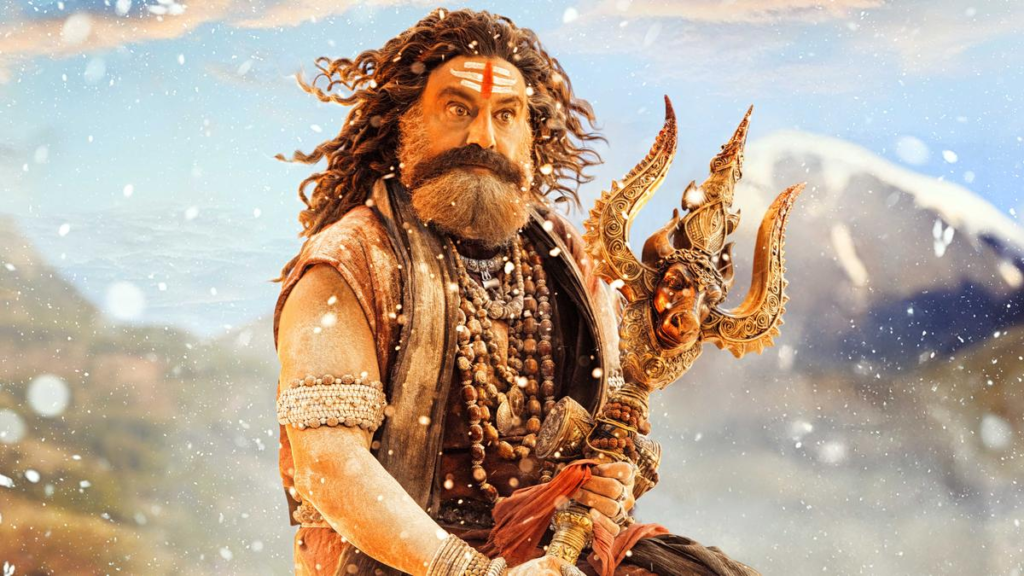
Boyapati Sreenu and Balakrishna’s films are known for ignoring logic and scientific facts. The main question is whether the movie entertains. Some moments are so extreme that they unintentionally become funny, even for fans of action films. The usual “Jai Balayya” chants fade because the story and screenplay behind these moments are uninspiring.
The film starts with a brief summary of the first movie, where two brothers are separated at birth. Balakrishna plays dual roles as Bala Murali Krishna and Akhanda. Akhanda is now shown as a near-mythical figure, tasked with saving India from an enemy nation using biological warfare at the Maha Kumbh Mela. The first movie, while unrealistic, had a logical story and high-energy music by S. Thaman. The sequel, however, has a weak narrative and feels implausible.
The villains are shown as cardboard cutouts along the Indo-China border, plotting against India. An opposition politician helps them. There is a subplot about young DRDO scientists creating an antidote. The screenplay touches on national issues like Manipur unrest, drug cartels, threats to the army, and references to the Ramayana and Vedas, but lacks a clear story. Fans may not expect a strong story from a Boyapati–Balakrishna film, but the first Akhanda had a recognizable plot. This sequel feels like a series of extravagant visuals strung together.
The movie is long, with heavy dialogue from start to finish. Discussions about gods, demons, dharma, and biological warfare drag on. People fighting for survival in the Maha Kumbh camp are ignored. The main conflict starts only when the villains target a huge weapon at Mount Kailash. While older Telugu and Tamil epics handle similar themes with more impact, this movie relies on religion and nationalism in an opportunistic way. Even punchlines like “My power is on 24/7” fail to land.
Balakrishna tries to hold the film together as Akhanda, but he seems tired. He is compared to Narasimha, Hanuman, and Shiva, with Thaman’s background roar adding emphasis, yet it doesn’t resonate. Bala Murali Krishna and Samyukta Menon’s characters are barely used. Harshali Malhotra appears briefly, and the villains are just caricatures. At 165 minutes, the film is an endurance test. Citizens waiting helplessly and the overly loud background score are exhausting. Noise-cancelling headphones might help. When Balakrishna finally says, “That is sufficient!” it feels like exactly what the audience is thinking.